Part B | How Competitive Markets Work
Prices can coordinate buyers and sellersPart B reveals how markets solve the coordination problem from Part A. Through the elegant dance of supply and demand, prices emerge to coordinate economic activity and guide society toward efficiency. These aren't just abstract curves—they're the invisible forces that determine what gets produced, who gets what, and how resources flow through the economy. By the end of Part B, you'll understand why competitive markets are one of humanity's greatest innovations for creating prosperity.
Block B1 | Demand
Demand curves show how much consumers are willing to buy at each price.

Block B2 | Supply
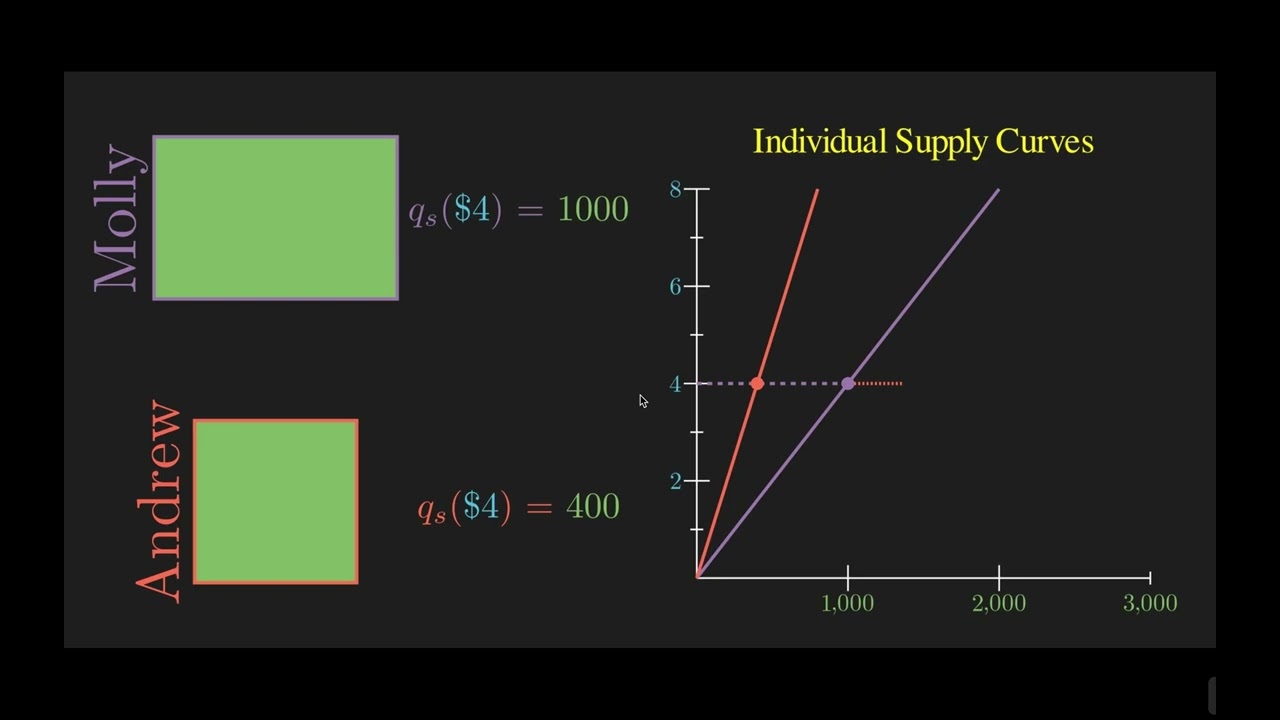
Supply curves show how much producers are willing to sell at each price.
Block B3 | Equilibrium
Markets find the equilibrium price where quantity supplied equals quantity demanded.


Block B4 | Efficiency
Competitive markets maximize total surplus, achieving social efficiency.

Episode B4 This video introduces government price controls to show that the market maximizes total surplus in some environments.
-
Exercise B4 in class
-
Vignette B4 recitation
-
Homework B4 home
Due Sun Sep 27
Block B5 | Elasticity
Elasticity measures how responsive quantity is to changes in price, income, or other factors.
Episode B5 Elasticity measures responsiveness
-
Exercise B5 in class
-
Vignette B5 recitation
-
Homework B5 home
Due Sun Oct 4
Block B6 | Comparative Statics
Comparative statics analyzes how equilibrium changes when supply or demand conditions shift.
Episode B6 How markets respond to changes
-
Exercise B6 in class
-
Vignette B6 recitation
-
Homework B6 home
Due Sun Oct 4
Block B7 | Tariffs
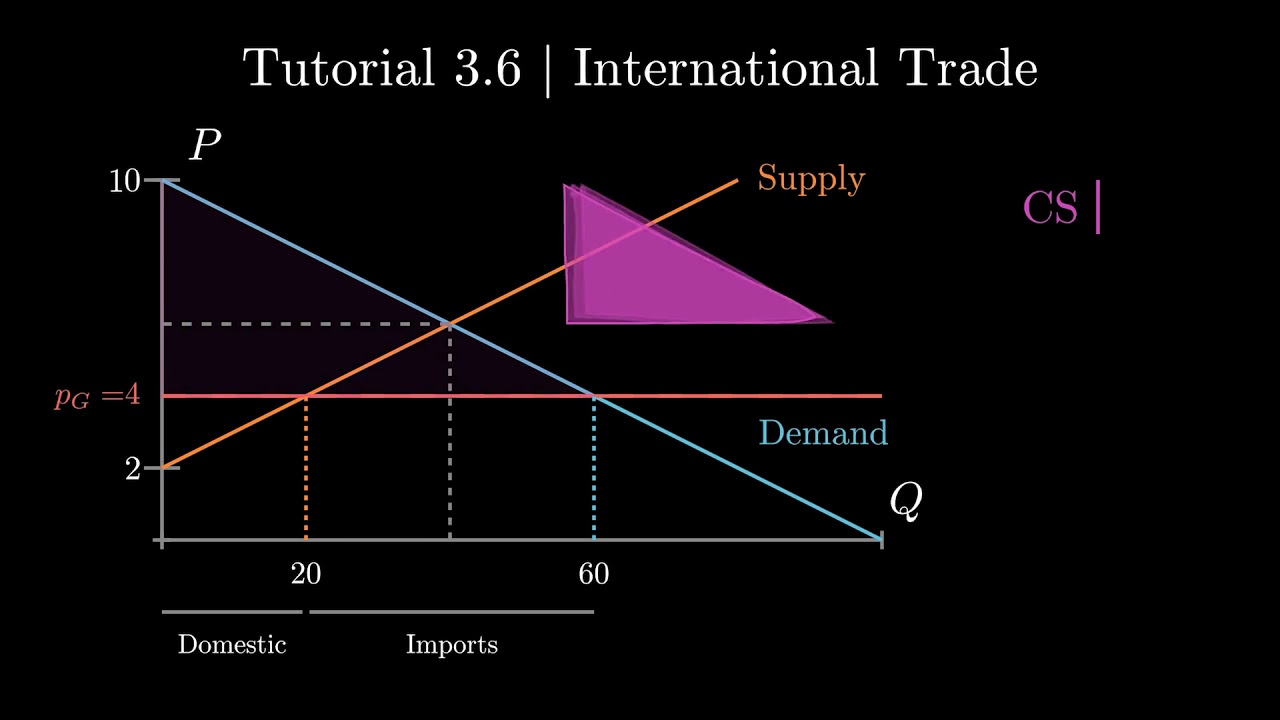
International trade improves welfare but also creates winners and losers, which can lead to political pressure for protectionist policies like tariffs.
Checkpoint B
Checkpoint B covers everything in Part B. If you understand the concepts and do the work in the Vignettes, Homework, and Demo, you're going to be in good shape on the Checkpoint.