Part F | Buyers
People respond to many interacting incentivesPart F completes our economic journey by revealing the elegant mathematics of human choice. After exploring how markets work and fail, we now discover how budget constraints and preferences create the demand curves that drive everything. You'll learn why consumers make the choices they do, how income from factor markets shapes purchasing power, and how utility maximization creates the predictable patterns we see in real markets. These insights don't just explain buyer behavior—they reveal the hidden logic behind every purchase decision you'll ever make.
Block F1 | Factor Markets
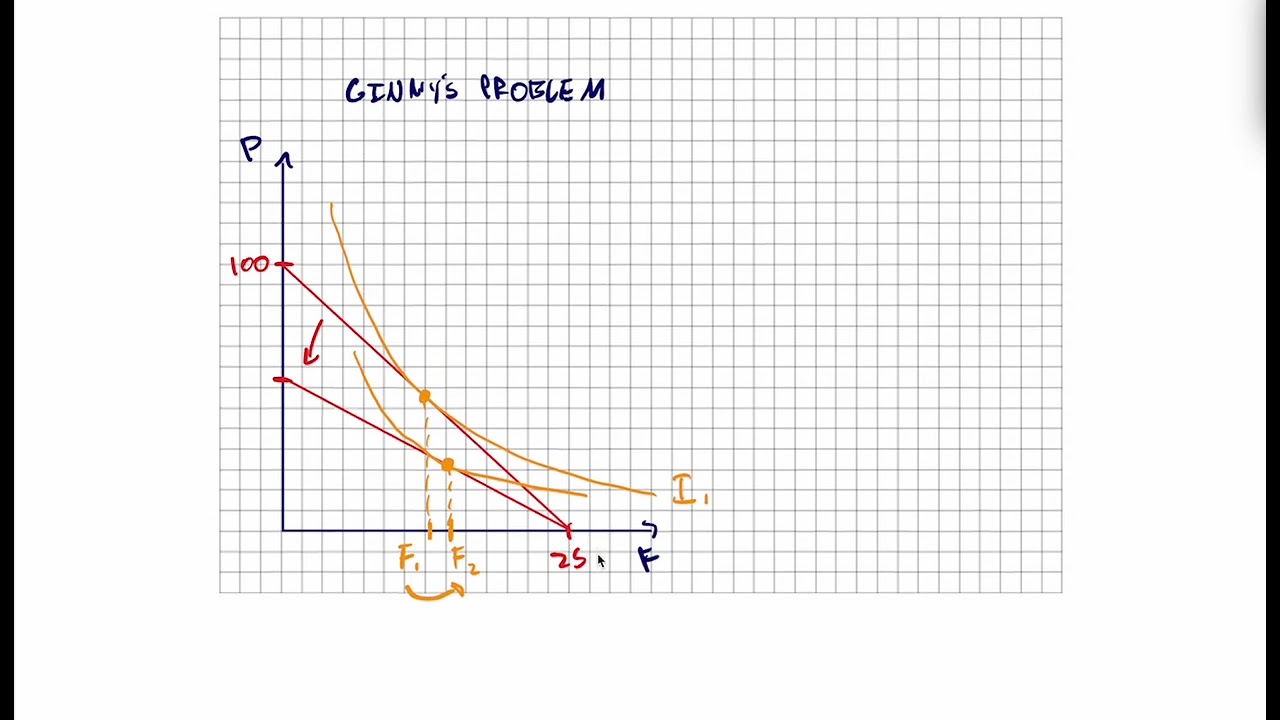
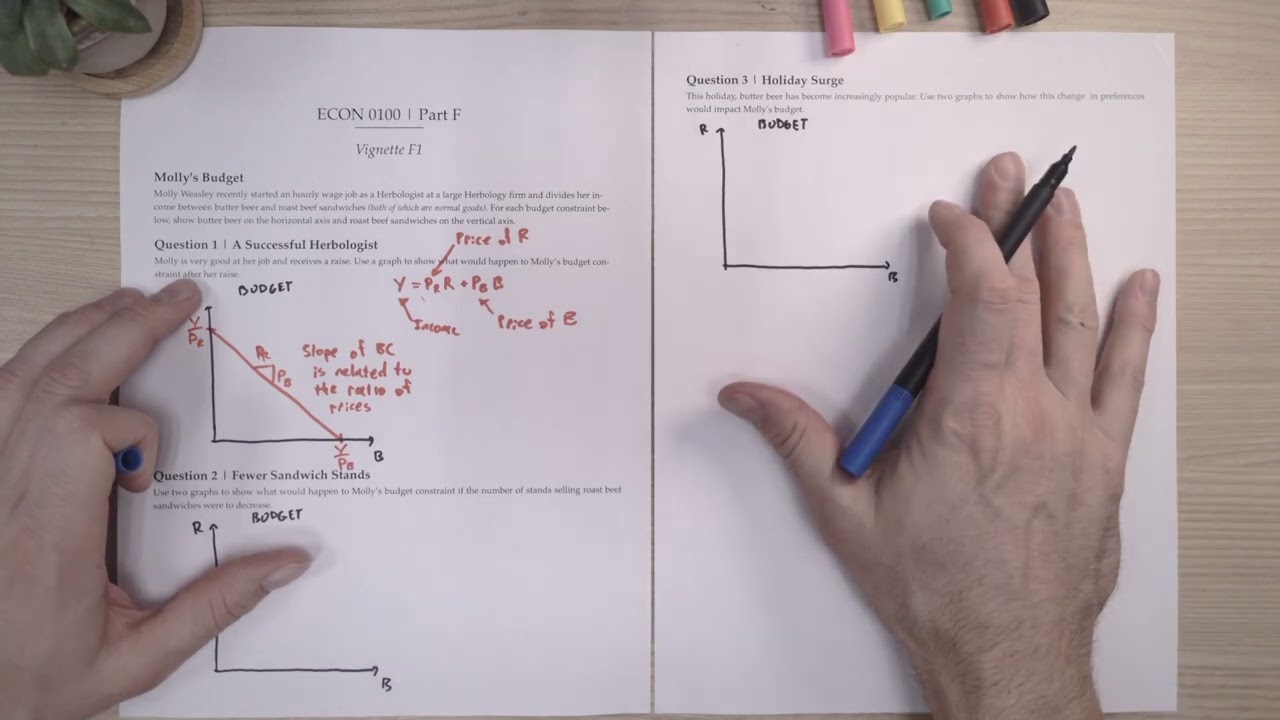
Factor markets determine the income that households earn from selling their labor and capital, which becomes the budget constraint for consumer choice.
-
Exercise F1 in class
-
Block F2 | Consumer Choice
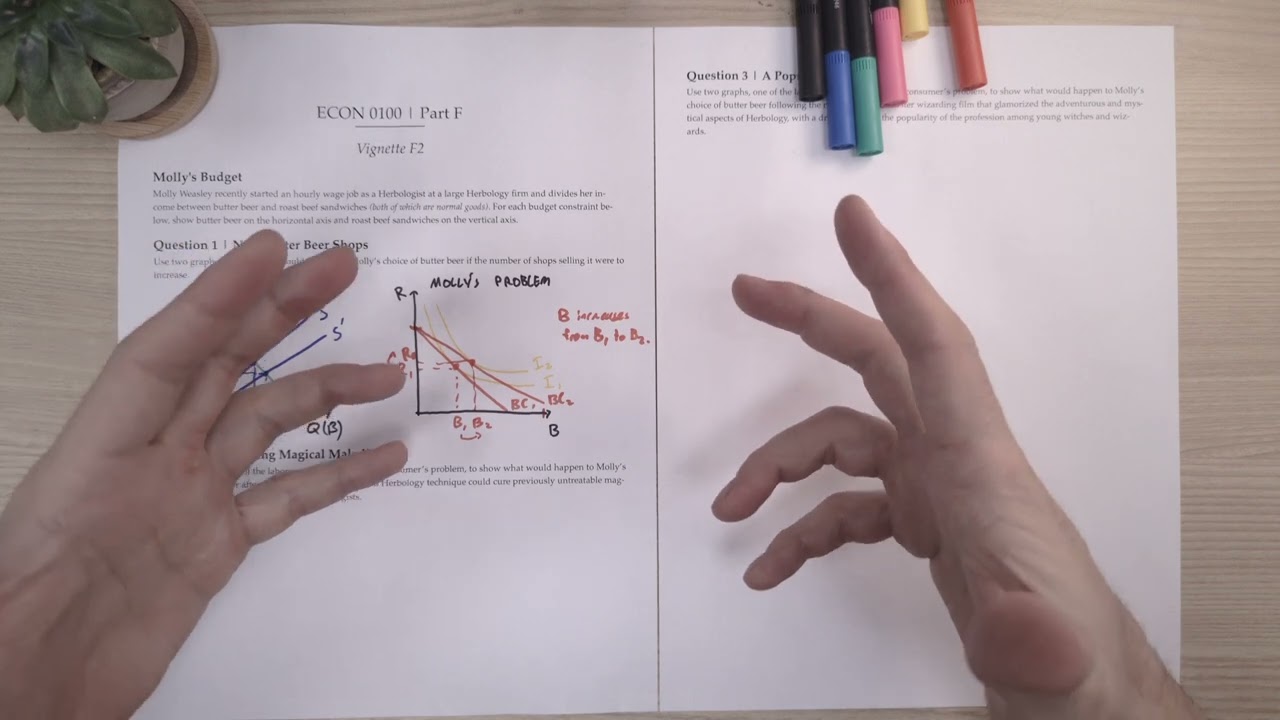
Given their budget constraint from factor markets, consumers maximize utility by choosing the optimal combination of goods where marginal utility per dollar is equal across all goods.
-
Exercise F2 in class
-
Checkpoint F
You will begin to learn that if you understand the concepts and do the work in the Vignettes, Homework, and Demo, you're going to be in good shape on the Checkpoint.